
Health Benefits Of Dark Chocolate
Did you know that dark chocolate can be more than just a delicious snack? It can also provide real health benefits. Flavonols, fiber, iron, magnesium, copper, manganese, potassium, phosphorus, zinc, and selenium – each of these compounds plays a role in revealing the secret power of dark chocolate to support your body.
Discover more about the amazing benefits of dark chocolate – benefits you may never have imagined!
Exploring the Health Benefits of Dark Chocolate
The Secret of Health in Pure Dark Chocolate
Amazing Benefits of Dark Chocolate
Dark chocolate is not only a delicious and enjoyable treat, but it is also one of the amazing foods that offers numerous benefits for both body and mind.
Dark chocolate is one of the richest sources of natural antioxidants, which can have positive effects on physical and mental health. Regular consumption of dark chocolate (with a high cocoa percentage and minimal sugar) can help improve cardiovascular health, as the flavonoids it contains reduce blood pressure and enhance circulation. In fact, the flavanols in dark chocolate stimulate the inner lining of blood vessels, increasing nitric oxide production. This compound sends signals to the vessels to relax, reducing resistance to blood flow and lowering blood pressure. Additionally, consuming dark chocolate can significantly reduce total cholesterol, LDL (bad cholesterol), and triglycerides. Therefore, this delightful treat can effectively improve some of the main risk factors for heart disease.
This appealing food is also effective in reducing stress and enhancing focus due to its magnesium and other minerals. Research has shown that dark chocolate can improve mood and support memory and cognitive performance. Regular and moderate consumption of dark chocolate can also enhance brain function and help prevent neurodegenerative diseases such as Alzheimer’s and Parkinson’s. A small study in 2018 indicated that the flavanols in dark chocolate may increase neuroplasticity—the brain’s ability to reorganize itself—especially in response to injury or disease.
Another benefit of dark chocolate is its ability to protect the skin from sun damage. The flavanols in dark chocolate protect the skin against UV rays, maintain skin moisture, and improve blood flow in the skin. Studies have shown that consuming flavanol-rich dark chocolate for 12 weeks can double the skin’s tolerance to UV damage.
Moreover, dark chocolate can help regulate blood sugar and control weight by reducing inflammation and improving metabolism. Therefore, including this extraordinary treat in your diet is not only enjoyable but also contributes to overall health.
Beyond being a snack, dark chocolate has extensive applications in culinary arts and confectionery. In addition to bars and packaged chocolates, dark chocolate blocks are widely used for melting, making sauces, ganache, and decorating various desserts and pastries. This type of chocolate allows bakers and chefs to achieve the desired flavor and texture in their recipes with a specified cocoa content and quality.

Benefits of Dark Chocolate for Blood Viscosity
Dark chocolate is rich in flavanols, which play a role in the production of nitric oxide in the endothelium (the inner cellular lining of blood vessels). This leads to the dilation and relaxation of blood vessels, improving blood flow and reducing both blood pressure and blood viscosity.

Benefits of Dark Chocolate for Diabetes
The flavonoids present in dark chocolate enhance the production and effective use of insulin, helping to regulate blood sugar levels. Dark chocolate can aid in better blood sugar control and prevent sudden spikes or drops in blood sugar, which can lead to issues such as weight gain.

Benefits of Dark Chocolate for the Heart
Flavonoids, which are abundantly present in cocoa and dark chocolates with high cocoa content, help reduce the risk of heart disease by improving blood flow, lowering blood pressure, reducing bad cholesterol (LDL), and boosting good cholesterol (HDL).

The Effect of Dark Chocolate on Anemia
Dark chocolate is rich in vitamins, such as vitamin C, and minerals like iron. The purer the chocolate and the higher its cocoa content, the more nutritious it becomes. The vitamin C in dark chocolate also plays a significant role in enhancing the absorption of iron from the chocolate.

Benefits of Dark Chocolate for the Skin
Dark chocolate contains antioxidants that help improve blood flow beneath the skin, supporting hydration and skin density. With its anti-inflammatory properties, it soothes irritated skin. The flavanols in dark chocolate also protect the skin from ultraviolet (UV) rays.

Benefits of Dark Chocolate During Pregnancy and Breastfeeding
Dark chocolate, due to its tryptophan content, increases serotonin (the “happiness hormone”) levels, promoting relaxation for both mother and baby. The caffeine present in dark chocolate also helps boost energy in mothers.

Benefits of Dark Chocolate in Reducing Menstrual Pain
Dark chocolate is a rich source of flavonoids, and consuming it during menstruation can help relax muscles, reduce stress, and lower inflammation. During your period, dark chocolate can boost energy levels and improve mood swings.

Effects of Dark Chocolate on Polycystic Ovary Syndrome (PCOS)
Women with polycystic ovary syndrome (PCOS) often experience mood swings and depression due to hormonal imbalances. Dark chocolate contains high levels of tryptophan, which is known in the body as serotonin (the “feel-good” neurotransmitter).

Benefits of Dark Chocolate for Fatty Liver
The fatty acids in dark chocolate are healthy fats that do not harm the liver and have a neutral effect on blood cholesterol. The high antioxidant content in dark chocolate also helps reduce bad blood fats and indirectly contributes to improving fatty liver.

Benefits of Dark Chocolate for Weight Loss
Dark chocolates, due to their unsaturated fatty acids (MUFAs), boost metabolism and accelerate calorie burning. Additionally, dark chocolate affects the body’s fatty acid synthesis, reducing the absorption of fats and carbohydrates.

Effects of Dark Chocolate on Memory
Consuming dark chocolate, due to its flavanol antioxidants, increases blood flow to the brain and improves cognitive function. Additionally, thanks to its magnesium content, it plays a significant role in reducing stress and anxiety.

Benefits of Dark Chocolate for the Brain and Alzheimer’s Disease
Studies show that increasing the intake of plant flavanols significantly reduces the risk of developing Alzheimer’s disease. Dark chocolate strengthens brain power and enhances alertness.

Effects of Dark Chocolate on Sexual Health and Performance
Dark chocolate is a healthy and beneficial food rich in minerals (such as magnesium, iron, and zinc), antioxidants, and caffeine. It can help enhance sexual desire and support sexual performance.

Benefits of Dark Chocolate for the Prostate
Dark chocolate contains polyphenols, flavonoids, procyanidins, vitamins, and proteins that strengthen the immune system. Due to its antioxidant, anti-diabetic, anti-inflammatory, and antimicrobial properties, it is a highly beneficial food for prostate protection.

Effects of Dark Chocolate on Irritable Bowel Syndrome (IBS)
Cocoa, as one of the main components of dark chocolate, contains compounds such as polyphenols and flavonoids that have antioxidant and anti-inflammatory properties. These compounds can help improve the health of the gut microbiome.

Effects of Dark Chocolate on the Stomach (Acid Reflux)
Dark chocolate contains caffeine, cocoa, and plant chemicals, all of which can exacerbate acid reflux by relaxing and stimulating the lower esophageal sphincter as well as irritating the stomach lining.
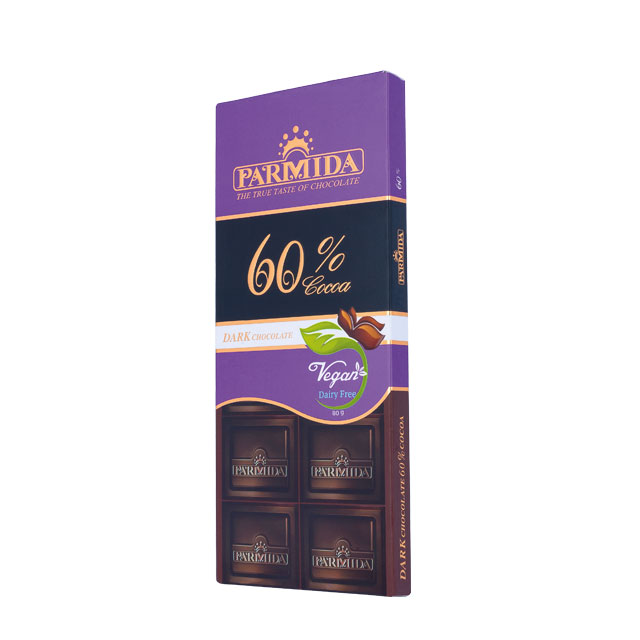
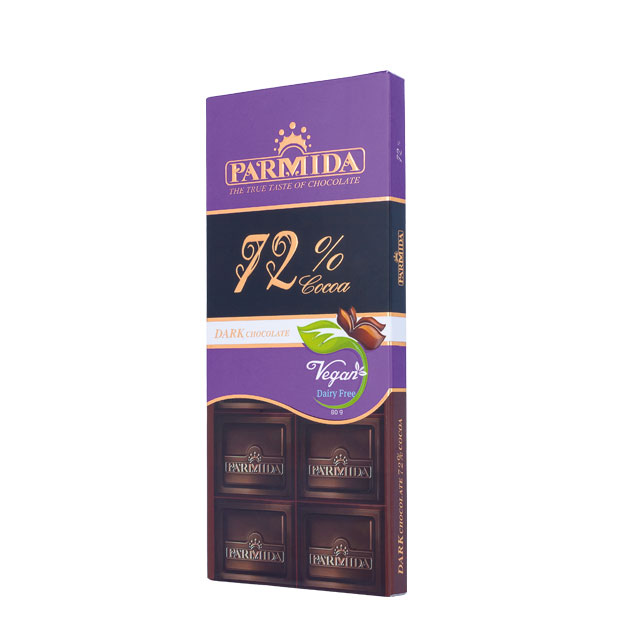
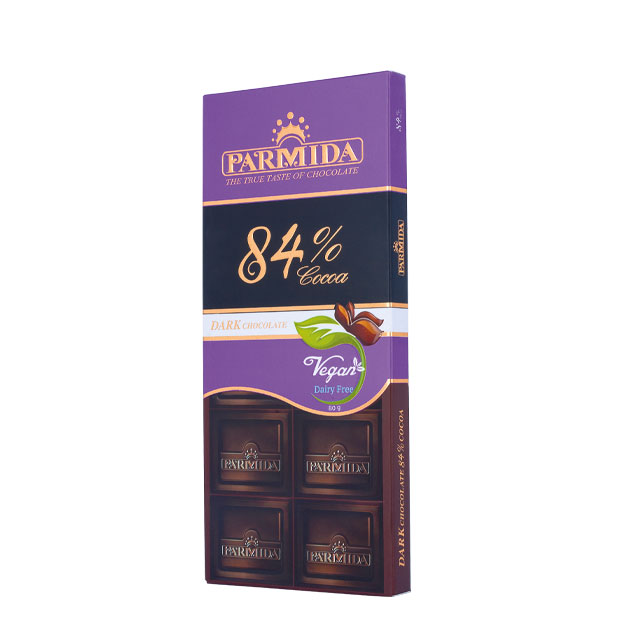
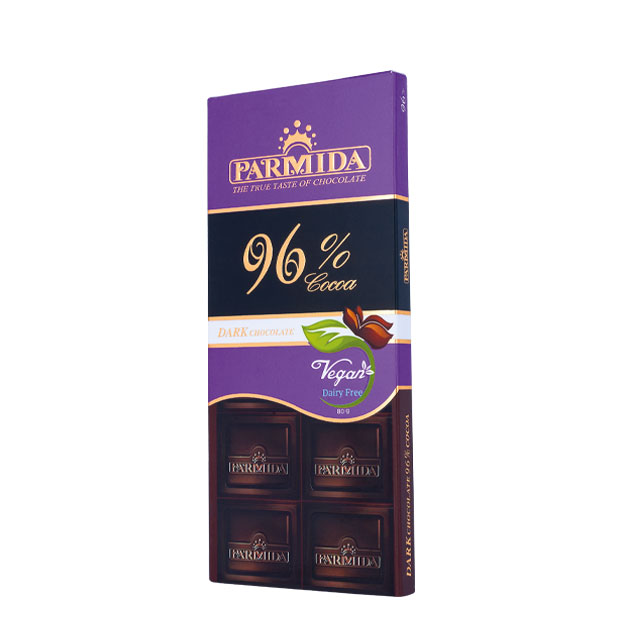
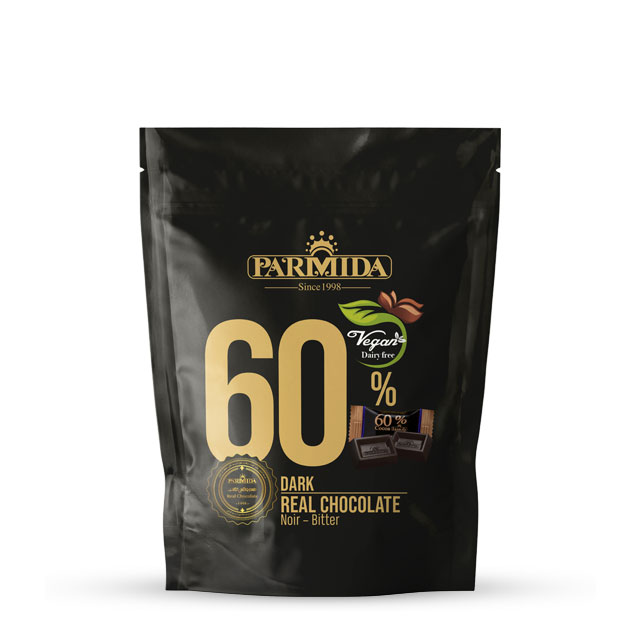
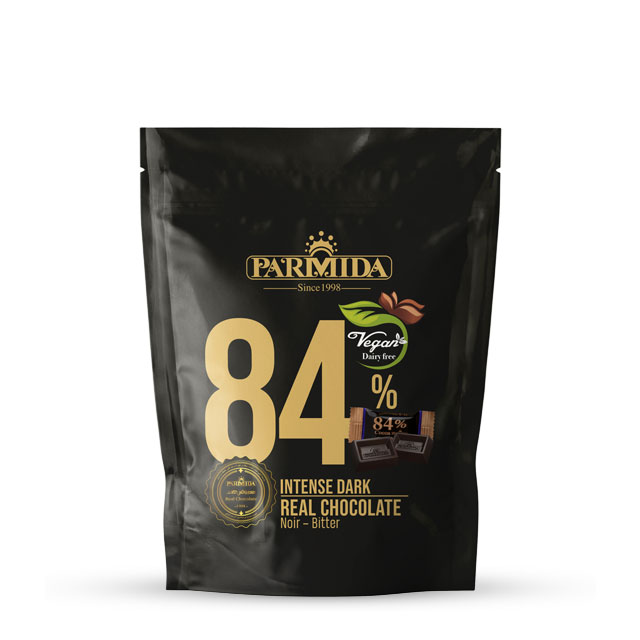
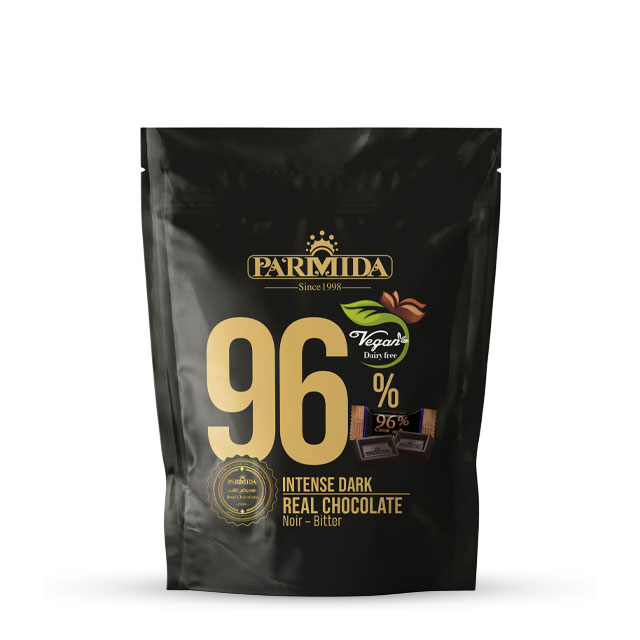
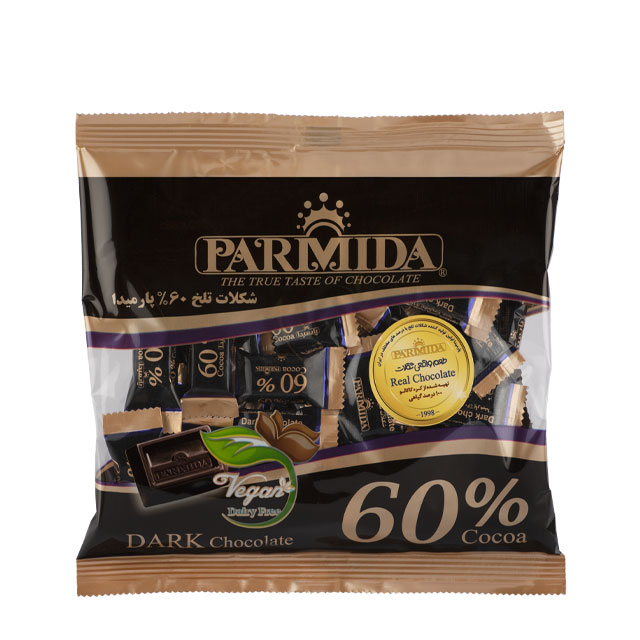
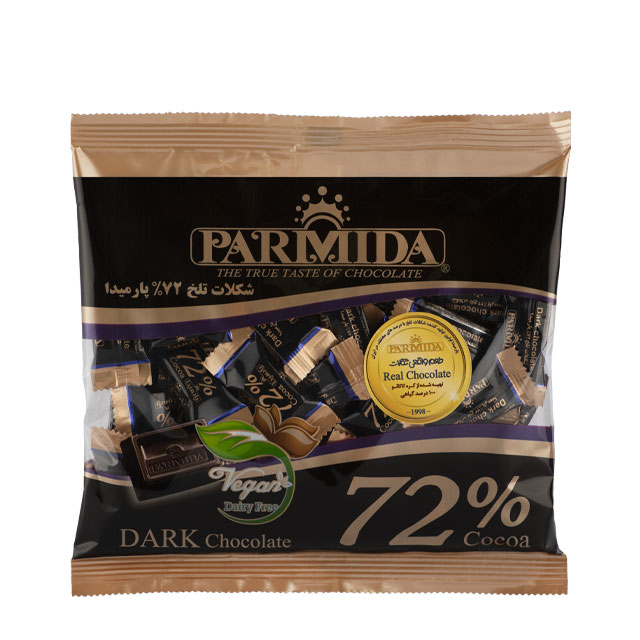
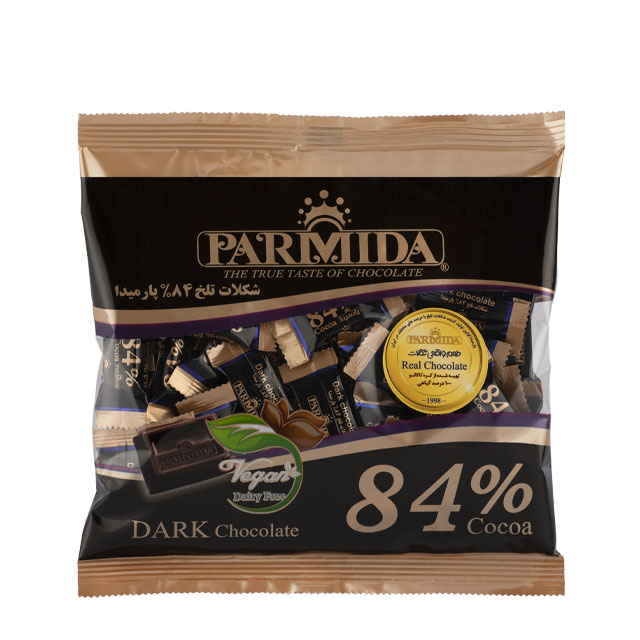
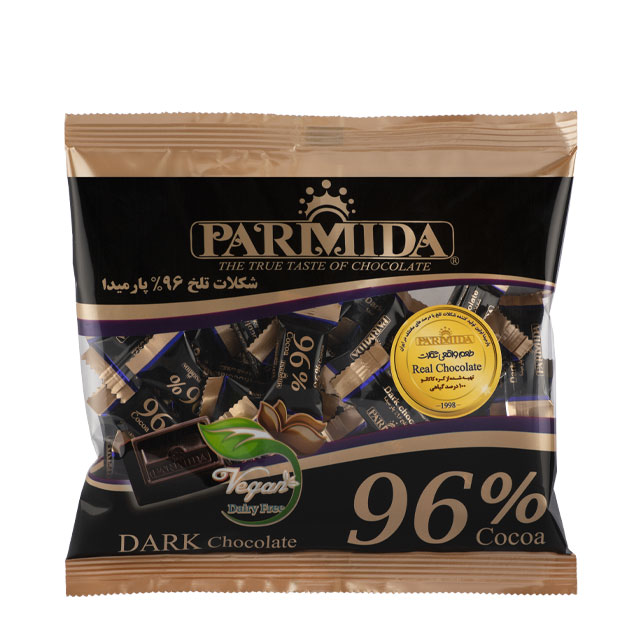
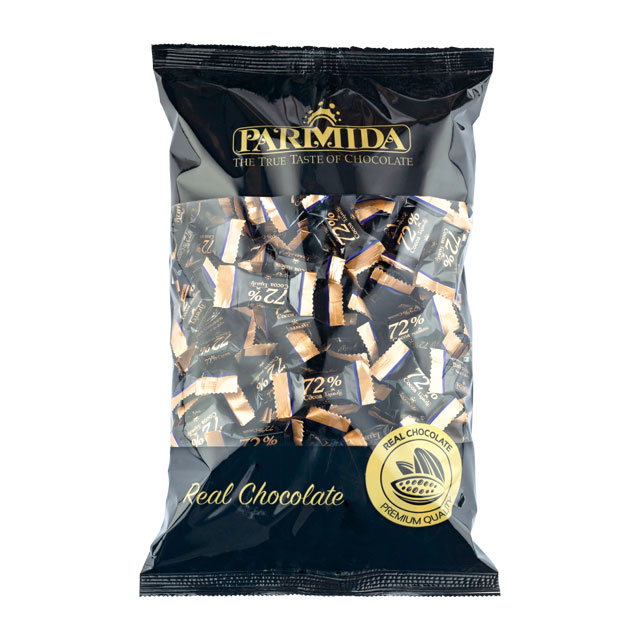
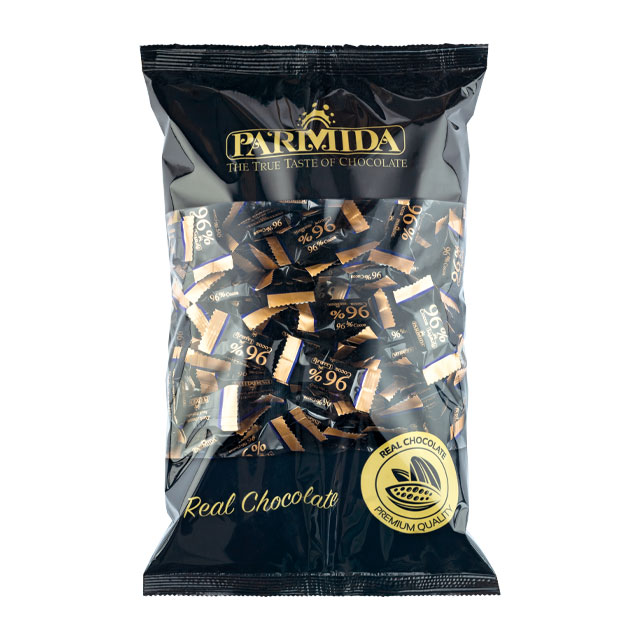
PARMIDA Vegan Dark Chocolate
Parmida Chocolate, the first producer of high-percentage dark chocolate, has respected the needs of vegans and vegetarians and started producing vegan dark chocolate. All of Parmida high-percentage dark chocolates do not contain animal products and are suitable for vegan diets.
What is Dark Chocolate?
Dark chocolate is a type of chocolate made from cocoa powder, cocoa butter, and sugar. It has a rich, dark flavor and contains a higher percentage of cocoa than milk chocolate. Dark chocolate contains at least 50% cocoa, and depending on the brand and product type, this percentage can reach 90% or more.
Ingredients of Dark Chocolate
Each dark chocolate manufacturer has its own formulation, but these chocolates mainly consist of the following ingredients:
Cocoa Powder: The main ingredient in dark chocolate, providing its rich and bitter flavor. High-quality dark chocolate usually contains a high percentage of cocoa powder.
Cocoa Butter: The natural fat extracted from cocoa beans that gives chocolate a smooth texture.
Sugar: Added to balance the natural bitterness of cocoa, with amounts varying according to desired sweetness.
Emulsifiers: Ingredients such as soy lecithin or sunflower lecithin are added to improve texture and consistency, helping the cocoa powder and cocoa butter blend better.
Flavorings: Natural or artificial flavorings such as vanilla or vanillin may be added to enhance the chocolate’s taste.
Recommended Daily Intake of Dark Chocolate
The appropriate daily intake of dark chocolate can vary depending on an individual’s physical condition and health goals. Generally, for benefiting from dark chocolate’s properties without excessive calories or sugar, moderation is recommended. Many health experts suggest consuming 1–2 ounces (30–60 grams) of dark chocolate per day. Studies also indicate that 20–30 grams per day can be sufficient and beneficial. Even smaller amounts may provide health benefits.
Parmida Chocolate: Where Quality and Authenticity Create a Lasting Taste
Since 1998, Parmida has had a clear mission: to produce authentic dark chocolate with world-class quality. Using the finest cocoa beans, we strive to offer the best Iranian dark chocolate. Our goal goes beyond a simple treat; we aim to deliver an unforgettable dark chocolate experience with a unique taste, smooth texture, and health benefits. This commitment to quality is reflected in all our diverse products, from authentic dark chocolates to chocolate dragees, nut-filled chocolates, gift chocolates, breakfast chocolates, and more.
Visit our website now and explore the diverse world of flavors at Parmida Store.
Parmida Dark Chocolate


How Much Caffeine is in Chocolate?
The caffeine content in chocolate depends on its cocoa composition. When cocoa beans are processed, two main components are obtained: cocoa powder and cocoa butter. Caffeine naturally occurs in cocoa powder—the part that remains after cocoa butter is separated from the beans. Therefore, the higher the cocoa content in chocolate, the higher its caffeine content. According to USDA data, per ounce (about 28 grams):
Chocolate with 70–85% cocoa contains 22.7 mg of caffeine.
Chocolate with 45–60% cocoa contains 12.2 mg of caffeine.
Milk chocolate contains about 5–9 mg of caffeine per 28 grams.
White chocolate contains no caffeine, as it is made from cocoa butter, milk powder, sugar, and vanilla, without cocoa powder.
Calories and Nutritional Value of Dark Chocolate
Dark chocolate is a delicious and nutritious treat, rich in antioxidants and essential minerals such as iron, magnesium, copper, and manganese due to its high cocoa content.
Each 100 grams of dark chocolate (70–85% cocoa) contains approximately 600 calories and:
11 g of fiber
43 g of fat
7 g of protein
A significant amount of potassium, phosphorus, and zinc
Thanks to its high flavonoid content, dark chocolate can support cardiovascular health. However, due to its high caloric value, consumption should be balanced for both children and adults. About 20–30 grams per day is considered a suitable amount to enjoy its benefits.
The effect of dark chocolate on blood pressure
Dark chocolate is beneficial for regulating blood pressure in people with high blood pressure levels. The flavanol in dark chocolate helps the endothelium (the thin membrane inside the heart and blood vessels that are responsible for managing vascular contraction and relaxation) by producing nitric oxide (NO), which increases blood flow and thus lowers blood pressure.
The health benefits of dark chocolate for heart
Dark chocolates are beneficial in preventing some factors of heart disease. High cholesterol and blood pressure levels are among the most common contributing factors in cardiovascular diseases. Studies show that flavonoids, which are widely present in cocoa and dark chocolate with high cocoa percentages, reduce the risk of heart disease by improving blood flow, lowering blood pressure, reducing bad cholesterol (LDL), and increasing good cholesterol (HDL).
The health benefits of dark chocolate for diabetes
The flavonoids in dark chocolate increase the production and effective use of insulin and regulate blood sugar levels. Therefore, eating dark chocolate can help improve blood sugar control and prevent sudden increases and decreases in blood sugar that can lead to symptoms such as weight gain. Also, eating dark chocolate in moderation reduces the risk of type 2 diabetes.
People with diabetes can consult their doctor for the percentage and amount of daily consumption and include it in their daily diet.
The health benefits of dark chocolate for skin
What makes dark chocolate beneficial for the skin are antioxidants; these compounds help to hydrate and thicken the skin by improving the blood flow under the skin and soothe irritated skin with its anti-inflammatory properties. Also, the flavanol compounds in dark chocolate protect the skin against harmful ultraviolet rays.
According to studies, in addition to sunscreen, eating dark chocolate helps protect your skin from harmful UV rays. Though not just any dark chocolate, but dark chocolate specifically made with high levels of Flavanols.
The health benefits of dark chocolate for the brain and Alzheimer
Alzheimer's disease is a type of progressive brain disorder in which a person loses cognitive skills, including memory and thinking. Studies show that increasing the consumption of plant Flavanols significantly reduces the risk of Alzheimer's disease.
Dark chocolate with a high percentage of cocoa is a rich source of Flavanols. With its antioxidant and anti-inflammatory properties, it can help reduce damage caused by stress, age, and even brain damage.
Among other properties of dark chocolate for the brain, it can be said that dark chocolate strengthens your cognitive abilities and increases alertness. The Flavanols in dark chocolate dilate blood vessels, allowing more oxygen and blood to reach key areas of the brain.
The health benefits of dark chocolate for the eyes
Flavonoids are a large group of plant nutrients that are found in high percentages of dark chocolate in rich quantities and have antioxidant, anti-inflammatory, anti-thrombotic (anticoagulant), vasodilator, and anti-tumor effects.
Studies have shown that the Flavanols in dark chocolate increase blood circulation, which increases oxygen and nutrients to the blood vessels of the eyes and brain. In this way, dark chocolate benefits the eyes through the blood supply to the cerebral cortex and retina, and it increases visual accuracy, motion detection, and seeing letters with more clarity.
Frequently Asked Questions (FAQ)
What is Dark Chocolate Good For?
Dark chocolate is rich in beneficial compounds such as antioxidants, which offer numerous health benefits. Some of the benefits of dark chocolate include supporting heart health and lowering blood pressure, improving mood and reducing stress, enhancing memory and cognitive function, aiding in weight management and blood sugar regulation, and promoting healthy skin.
What is the Best Time to Eat Dark Chocolate?
The appropriate time to eat dark chocolate depends on various factors such as the individual’s goal, physical condition, activity level, lifestyle, and nutritional needs. However, some times can be better choices to benefit from the properties of dark chocolate.
In general, the best times to consume dark chocolate include:
Mornings: to increase body metabolism and raise energy levels.
As a snack: to stabilize blood sugar and reduce cravings for sweet and unhealthy foods.
Before exercise: to provide energy for workouts.
After exercise: for energy recovery and replenishing lost glycogen stores.
The magnesium in this chocolate may help relax muscles and improve sleep quality. Therefore, consuming a very small amount of this chocolate for individuals who are not sensitive to caffeine can help create relaxation.
What are the Benefits of Dark Chocolate with High Cocoa Content?
Dark chocolate with high cocoa content has numerous health benefits. This chocolate helps improve heart health by lowering blood pressure and bad cholesterol (LDL). The flavonoids in dark chocolate can enhance brain function and improve cognitive performance. Additionally, it helps regulate blood sugar and may protect the skin against UV damage. Moreover, dark chocolate can boost mood by stimulating endorphin production and reducing stress.
Does Dark Chocolate Contain Caffeine?
Yes! Dark chocolate contains caffeine, and the amount varies depending on the cocoa content. The darker the chocolate, the higher its caffeine content. The caffeine in dark chocolate is relatively low. A serving of dark chocolate contains about four times less caffeine than a typical cup of coffee. For example, according to the USDA, dark chocolate with 70–85% cocoa contains 22.7 mg of caffeine per 1 ounce (28 grams), while dark chocolate with 45–60% cocoa contains about 12.2 mg of caffeine.
What Type of Fat is Present in Dark Chocolate?
The fats in dark chocolate mainly come from cocoa butter. Cocoa butter is a natural plant fat, and its main fatty acids include 35% stearic acid (a saturated fat that does not raise cholesterol), 35% oleic acid (a heart-healthy monounsaturated fat), 25% palmitic acid (a saturated fat), 3% linoleic acid (a polyunsaturated fat), and 2% other fats.
Which is Better: Dark Chocolate or Milk Chocolate?
Nutritionally, dark chocolate is generally considered a healthier option because it contains less sugar and is rich in cocoa and antioxidants such as flavonoids. These compounds support heart health, reduce inflammation, improve blood vessel function, lower blood pressure, enhance cognitive performance, reduce stress, and boost mood.
In contrast, milk chocolate is more popular due to its sweeter taste and creamy texture, but it has less health benefits because of higher sugar content and lower cocoa percentage. Ultimately, the choice between the two depends on personal taste and nutritional goals, but the key is to maintain balance in consuming any type of chocolate.
Is Dark Chocolate with High Cocoa Content Always Better?
Dark chocolates with a very high cocoa percentage are not always the ideal choice. As the cocoa percentage increases, the chocolate becomes more bitter and its fat content also rises. Although these chocolates contain higher levels of antioxidants, they may not be pleasant or suitable for everyone. For example, people with digestive issues or those with a warm body temperament may experience discomfort if they consume them excessively. The best option is dark chocolate with a moderate cocoa percentage (such as 70–85%) and consumed in moderation.
Can Dark Chocolate Cause Insomnia or Increase Heart Rate?
Dark chocolate contains two main stimulants of the central nervous system: caffeine and theobromine. Consuming this type of chocolate during the late hours of the day, especially close to bedtime, may cause insomnia in individuals who are sensitive to caffeine. The effect of dark chocolate on heart rate also depends on the amount consumed and each person’s individual response. The theobromine in dark chocolate can dilate coronary blood vessels and stimulate heart muscles, which may lead to an increased heart rate; however, this effect usually occurs at higher doses or in people who are sensitive to this compound. Overall, the effects of dark chocolate are generally milder than those of coffee or energy drinks. Therefore, to enjoy the benefits of dark chocolate while avoiding possible side effects, moderation in consumption is recommended.